Don’t rely on store-bought food!
A Wild Plant Guide for Your Small Family
I’m counting your posts on 𝕏 (Twitter)!
Let’s find wild treats together!
#NobiNobiWildPlants
Hello! I’m Zakki-saurus.
I usually run around in nature, but at home, I serve as a humble servant to my tortoises.
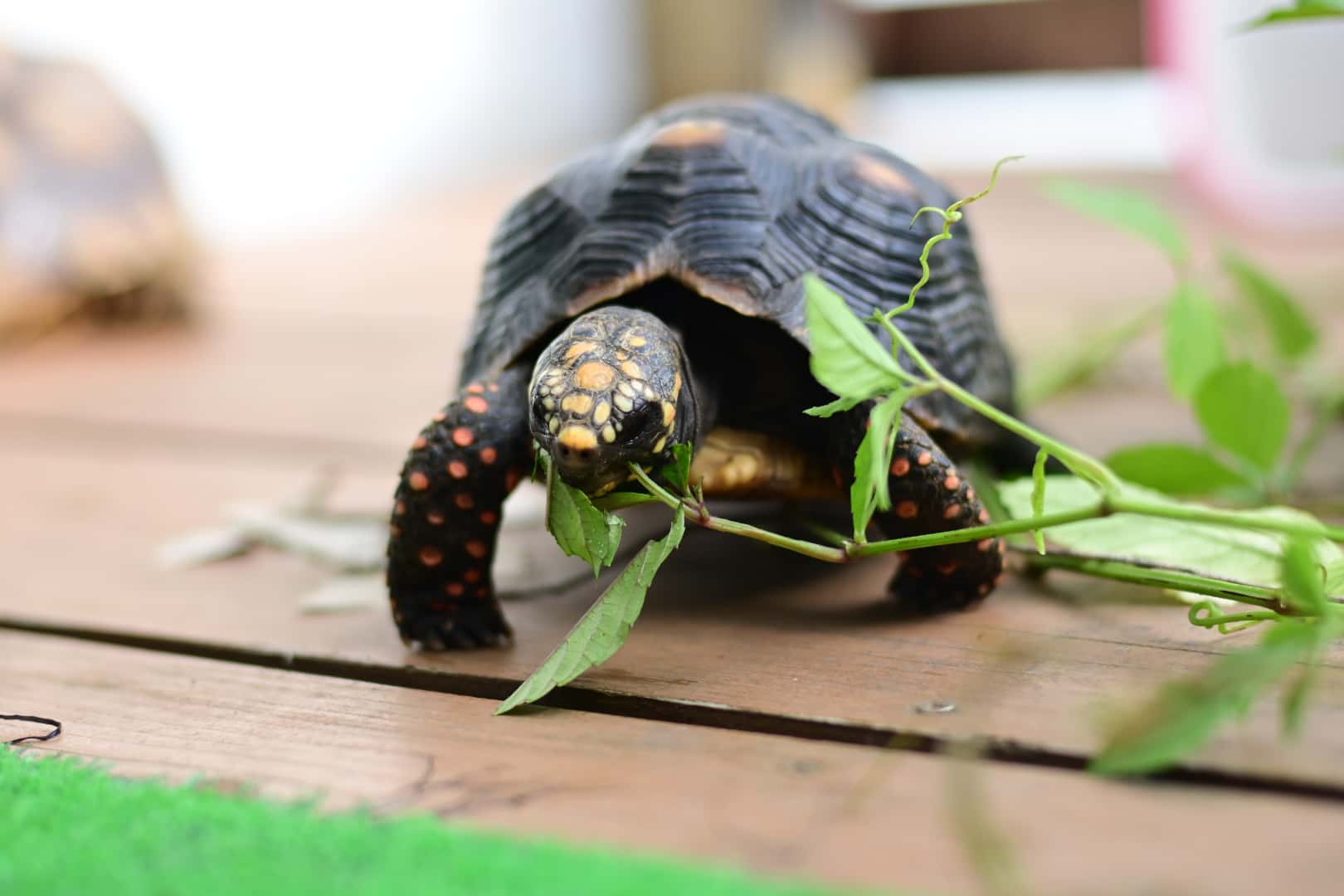
A gourmet from South America. Loves soft leaves and fruits.
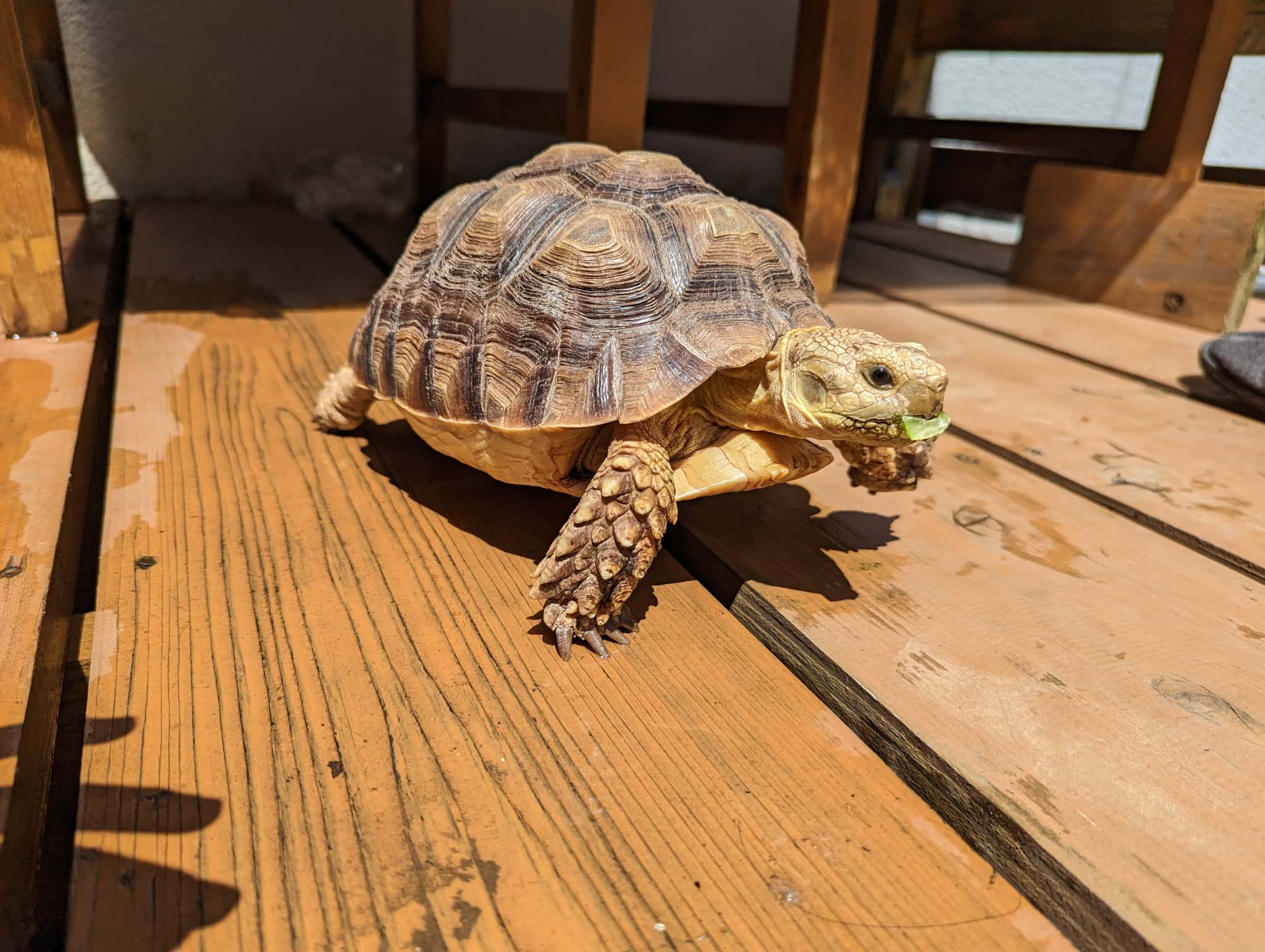
A big eater who crunches on fibrous grass loudly.
▼ Check out their wild appetite! ▼
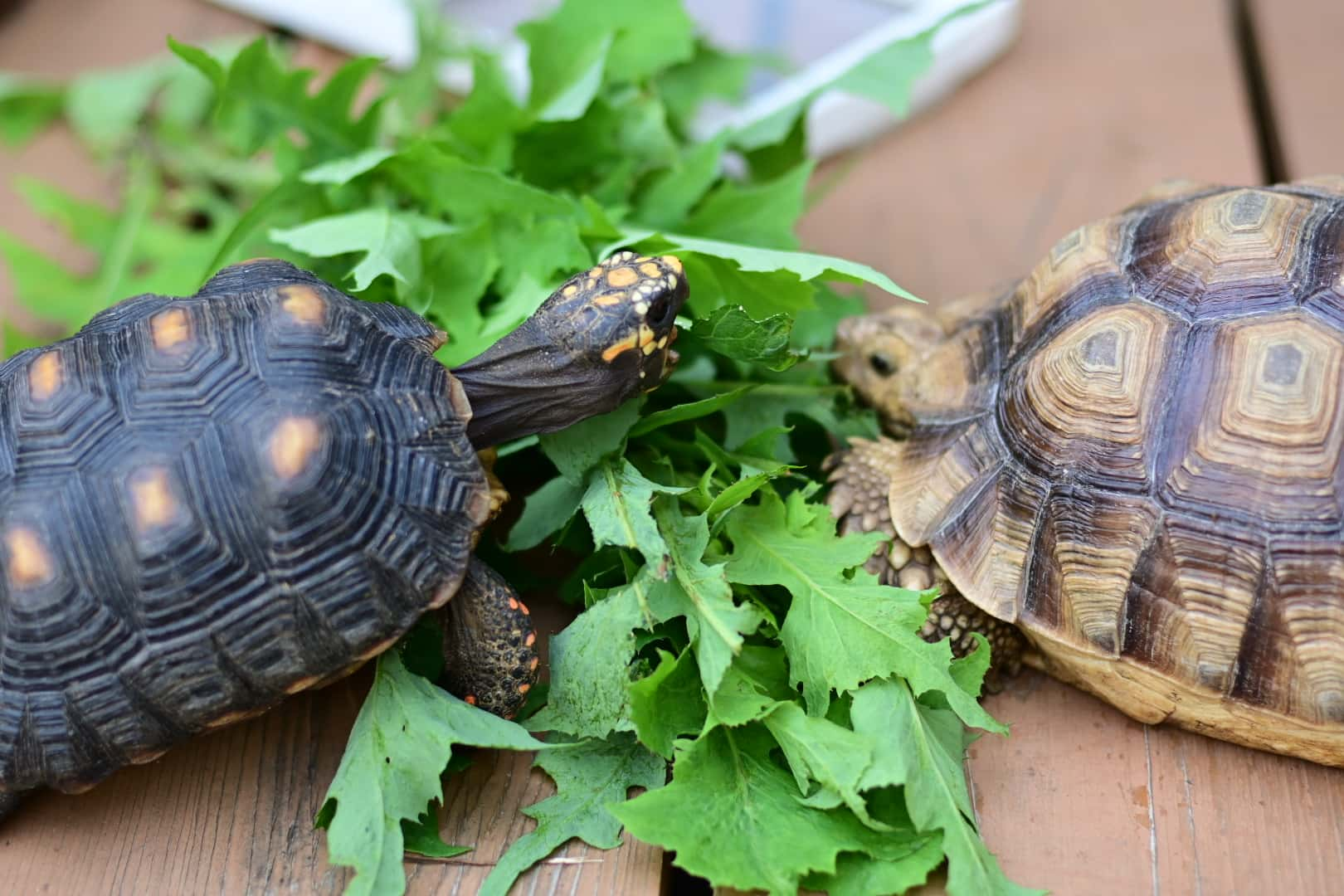
My tortoises’ appetite explodes in the summer.
Especially my large Sulcata tortoise… he can finish a whole head of cabbage in just 1-2 days! (Laughs)
I used to buy Komatsuna (Japanese mustard spinach) from the supermarket when they were small, but vegetables are expensive these days.
“I want to save money, but I also want to give them delicious, natural food!”
That’s why I started this “Wild Plant Life”.
- I have experience living with Rabbits and Tortoises, but I have not kept Guinea Pigs or Degus. The information here is based on general knowledge.
- Just like humans, animals have likes and dislikes. Even if a plant is generally safe, your pet might not eat it.
- When introducing a new plant, always start with a small amount and monitor their health.
1. My Pets Love These! Recommended Wild Plants
Here are some plants categorized by type. Check the icons to see if they are suitable for your family member!
Try the “Review” buttons to share your pet’s reaction!
🐰Rabbit 🐹Small Pet 🐢Tortoise 🐔Chicken 🦎Lizard
◎:Loves it! 〇:Likes it △:Not a fan
🌿 Easy to Eat: Broadleaf & Herbs
Most herbivores love these. They are generally safe for both tortoises and rabbits.
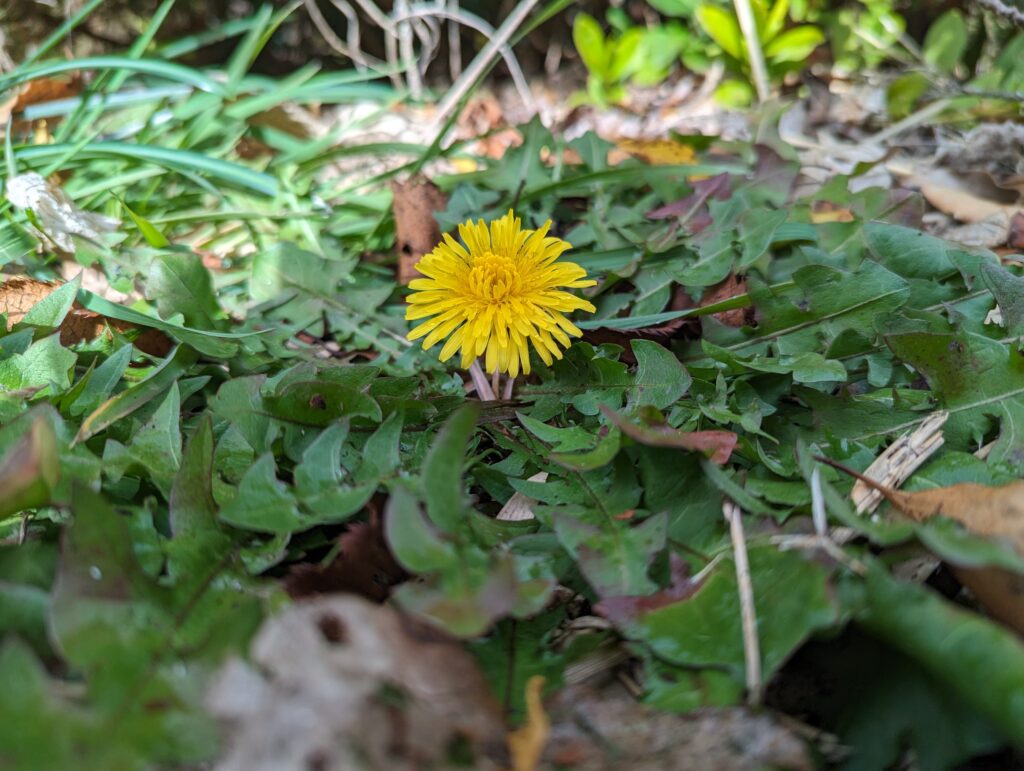
| ◎ | ◎ | ◎ | ◎ | ◎ |
A spring classic! The whole plant is edible. Roots are especially nutritious. The white milky sap from the stem is safe too.
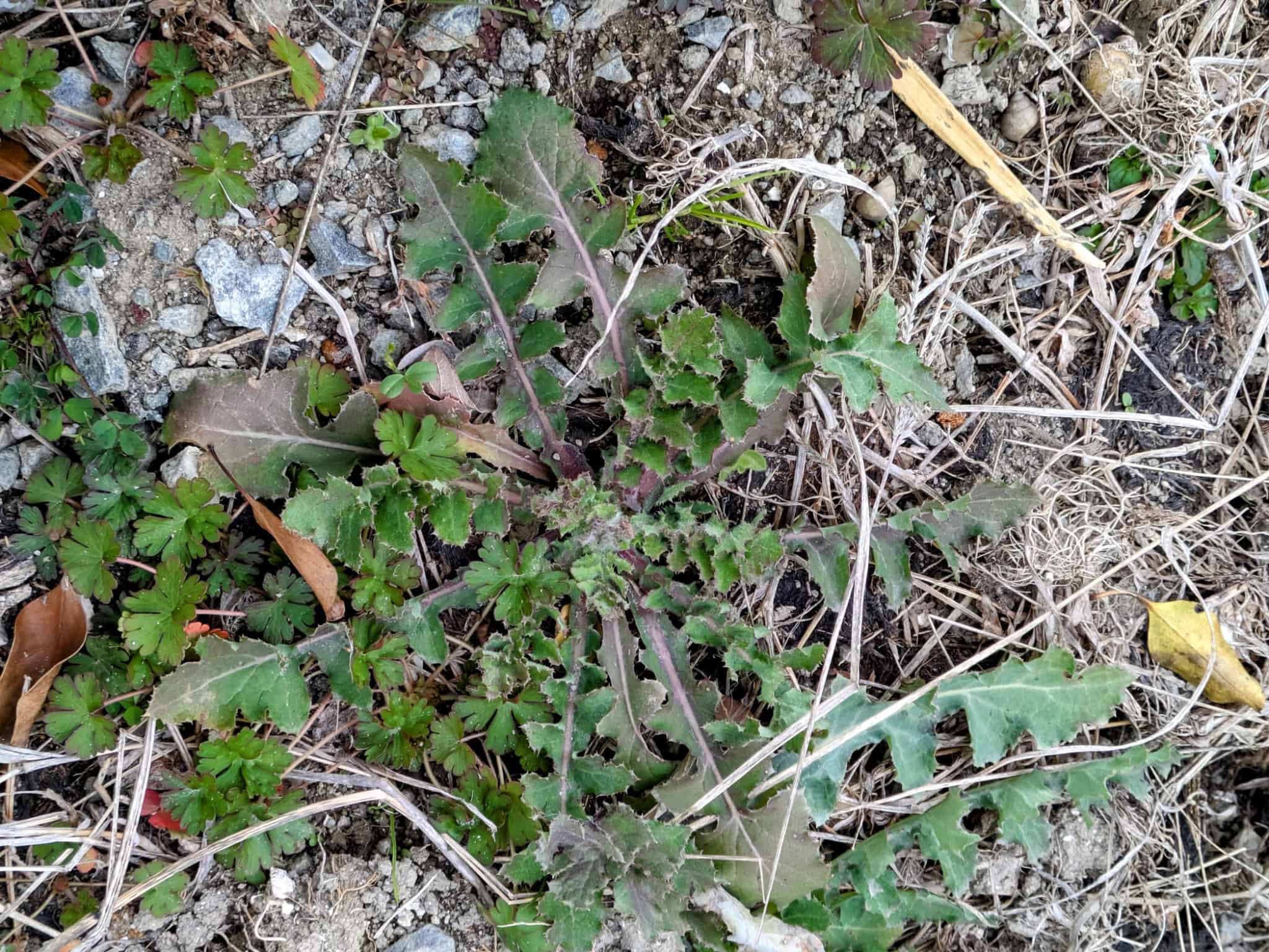
| ◎ | ◎ | ◎ | 〇 | 〇 |
The flowers look like dandelions, but the leaves are jagged and slightly prickly. Unlike dandelions, the stem grows tall vertically. A favorite of tortoises and rabbits!
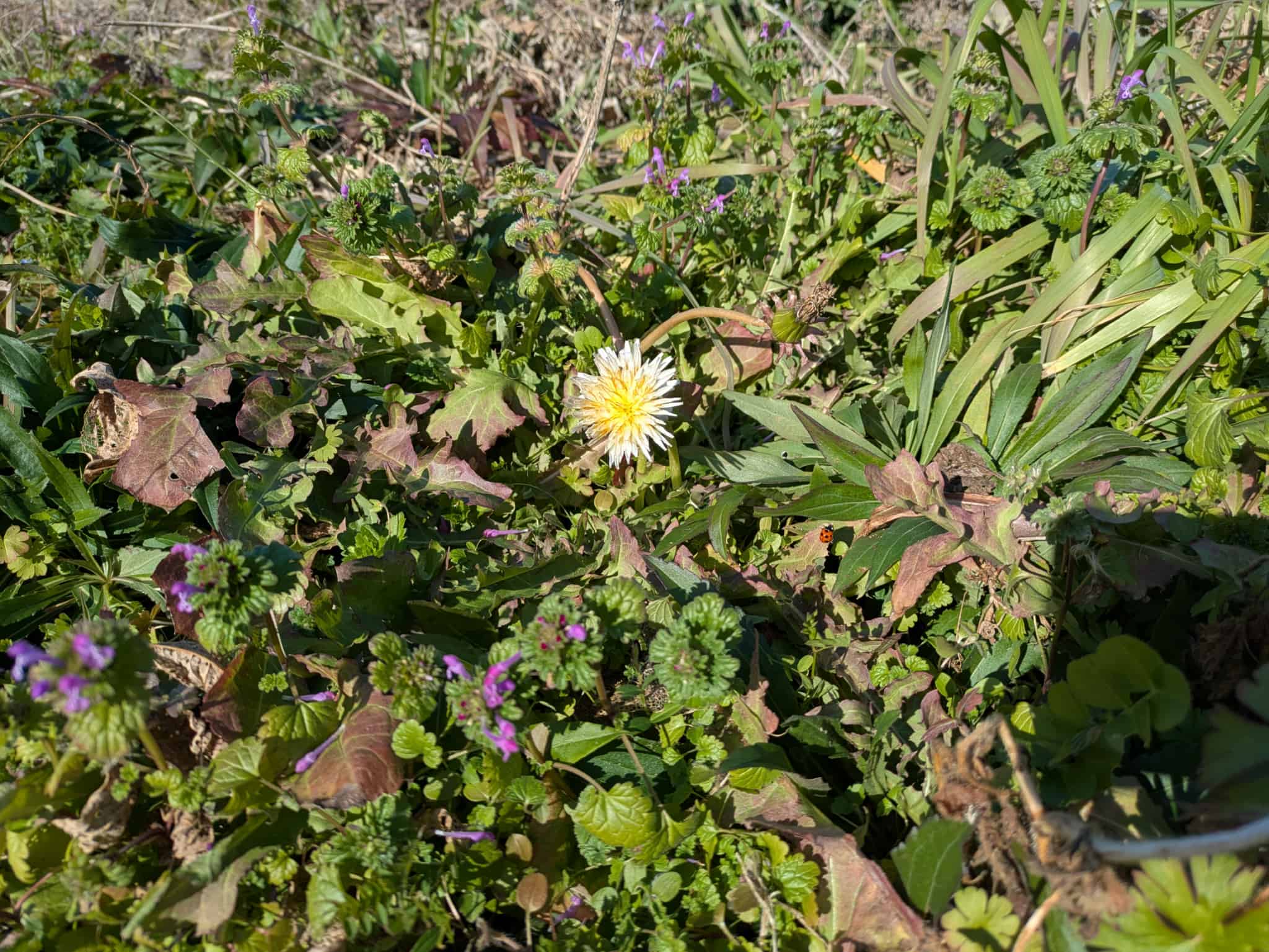
| ◎ | ◎ | ◎ | ◎ | ◎ |
Just as edible as yellow dandelions. Common in western Japan but rare in Kanto. Lucky if you find one!
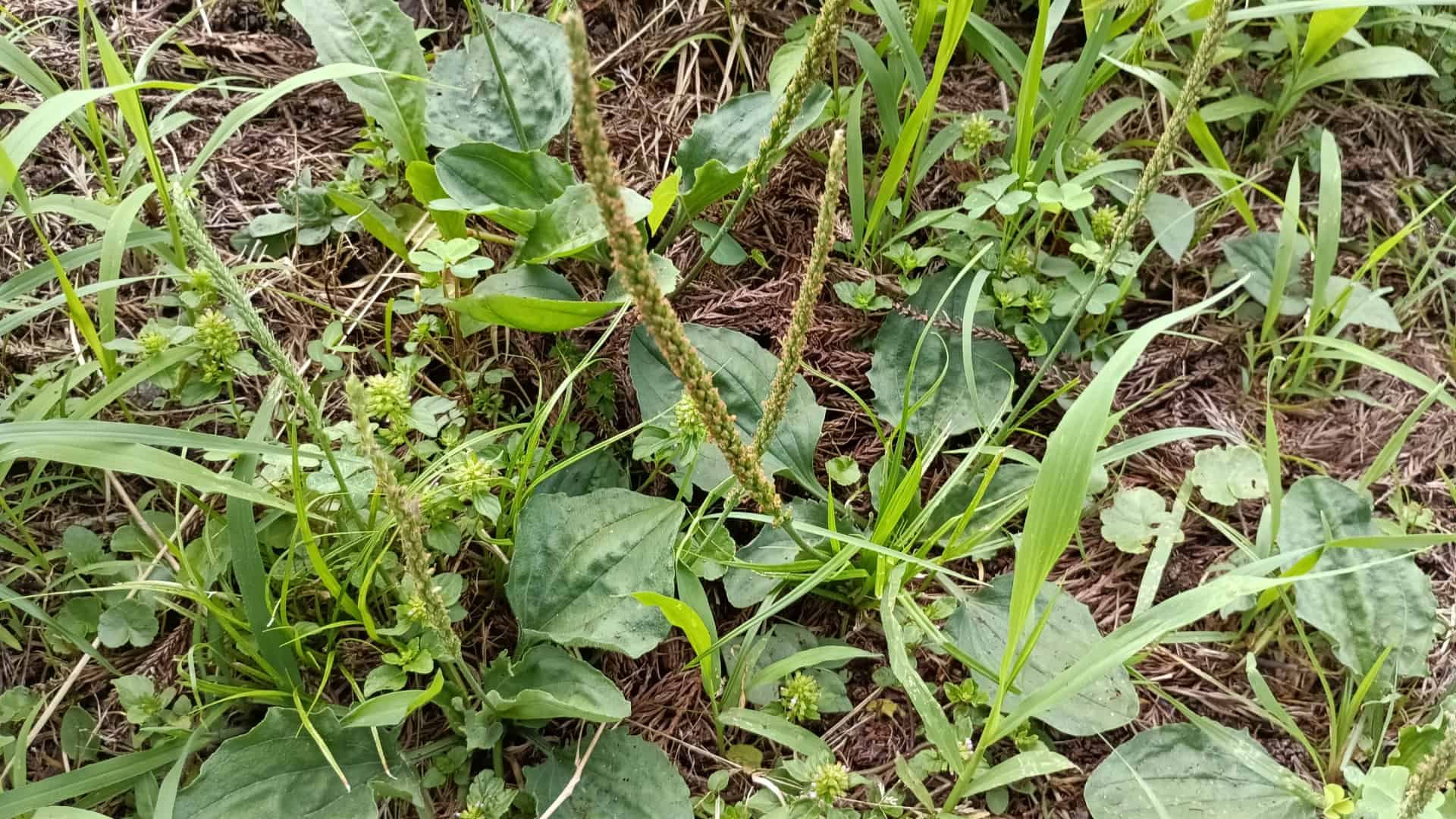
| 〇 | 〇 | ◎ | 〇 | ◎ |
The leaves are excellent, but some pets might find the flower stems too tough and stringy. Perfect for mixing into a tortoise’s diet.
| ◎ | ◎ | 〇 | ◎ | 〇 |
One of the seven herbs of spring. It’s very soft and has high water content, making it great for hydration for young animals or those with low appetite.
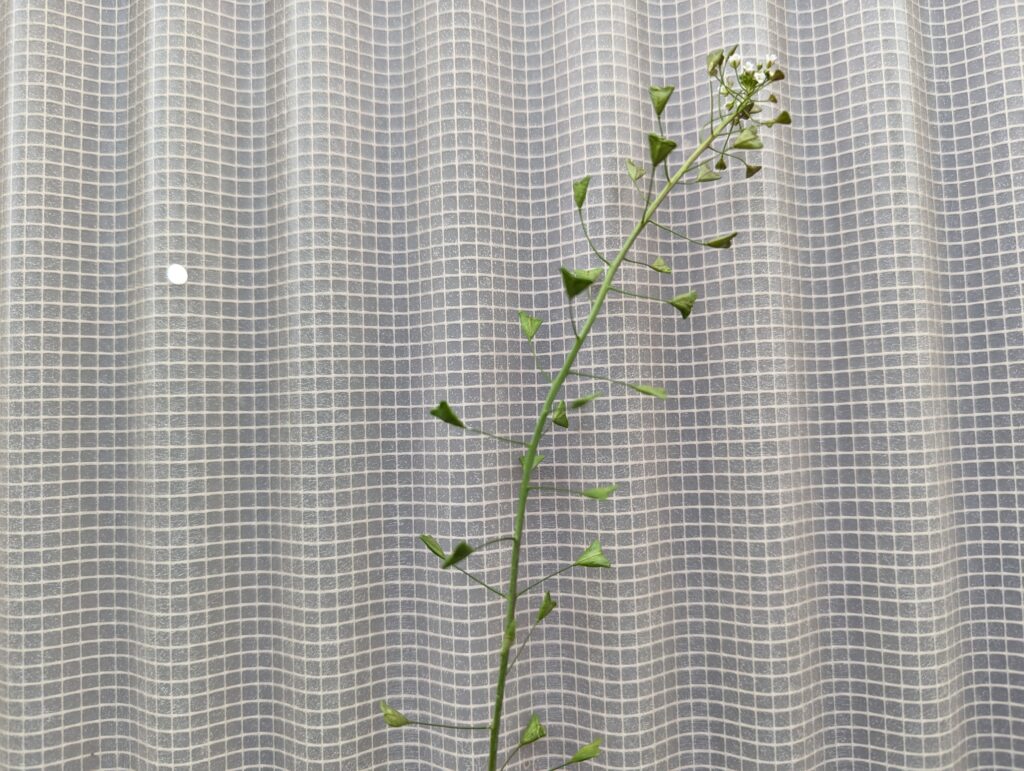
| 〇 | 〇 | 〇 | ◎ | 〇 |
In early spring, the whole plant is soft. As it grows tall, the stems become tough. It’s in the Brassicaceae family, so don’t feed huge amounts daily.
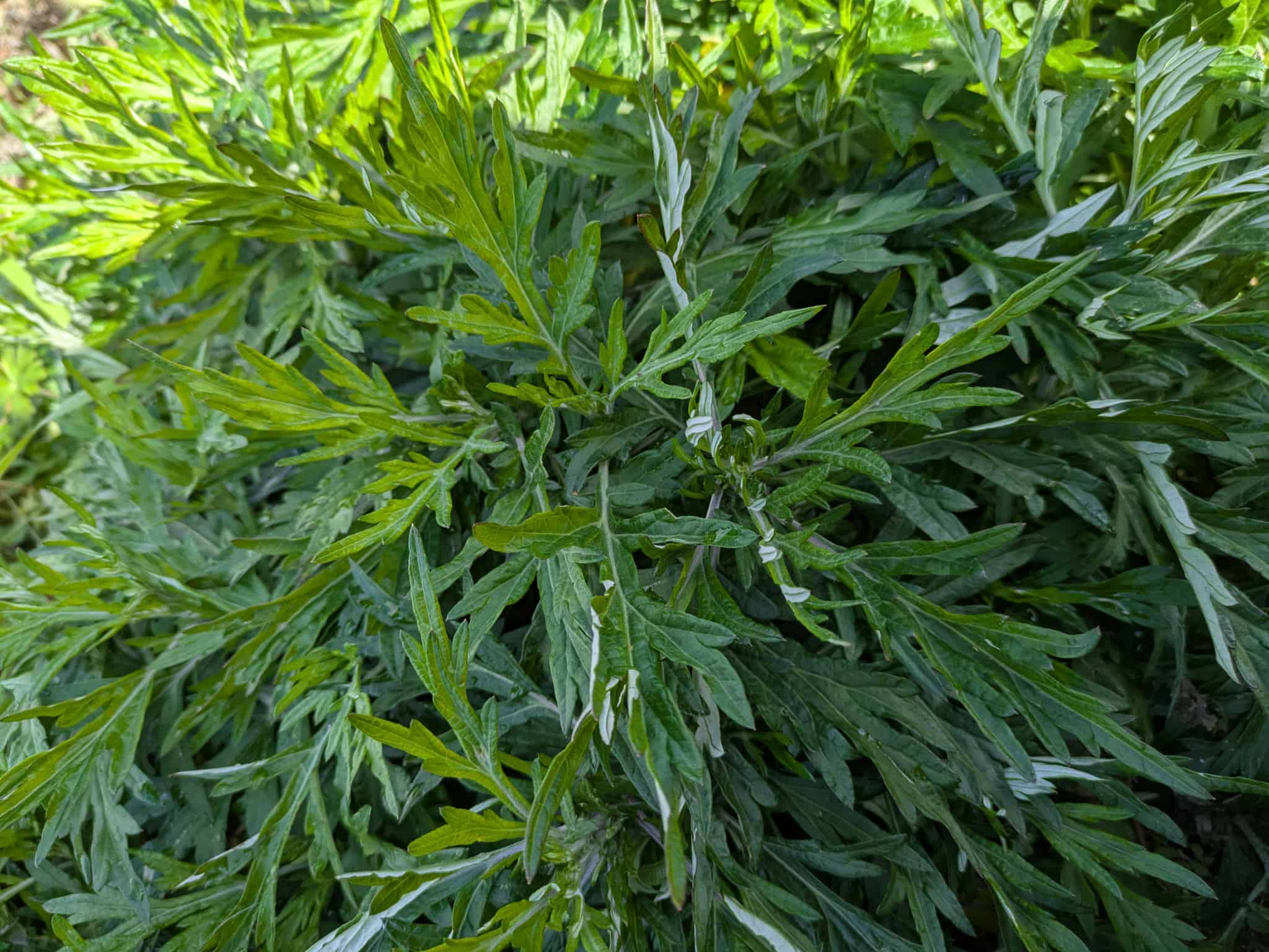
| ◎ | 〇 | △ | 〇 | △ |
Pick the soft new tips. The lower stems are woody and inedible. It has a strong scent, so try mixing a small amount first.
🌱 High Protein: Legumes & Vines
Nutritious but high in protein. Feed as a treat, especially for rabbits to avoid bloating.
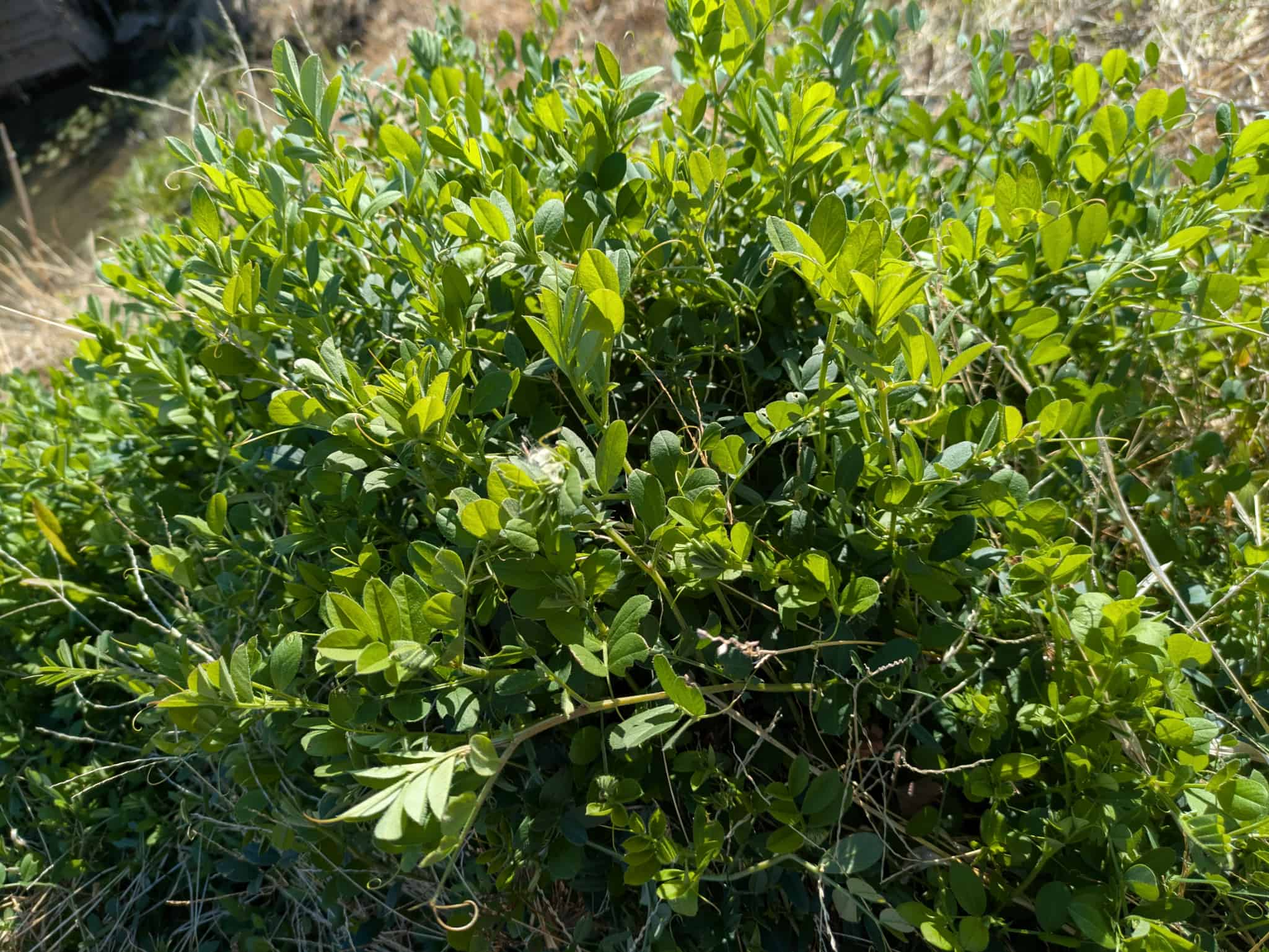
| ◎ | ◎ | △ | ◎ | 〇 |
A spring favorite! The pods are especially popular. Mature stems can be stringy, so feed the soft tips.
| 〇 | ◎ | △ | ◎ | 〇 |
A miniature version of vetch. It’s very thin and soft, so even small mouths like guinea pigs and degus can eat the whole stem.
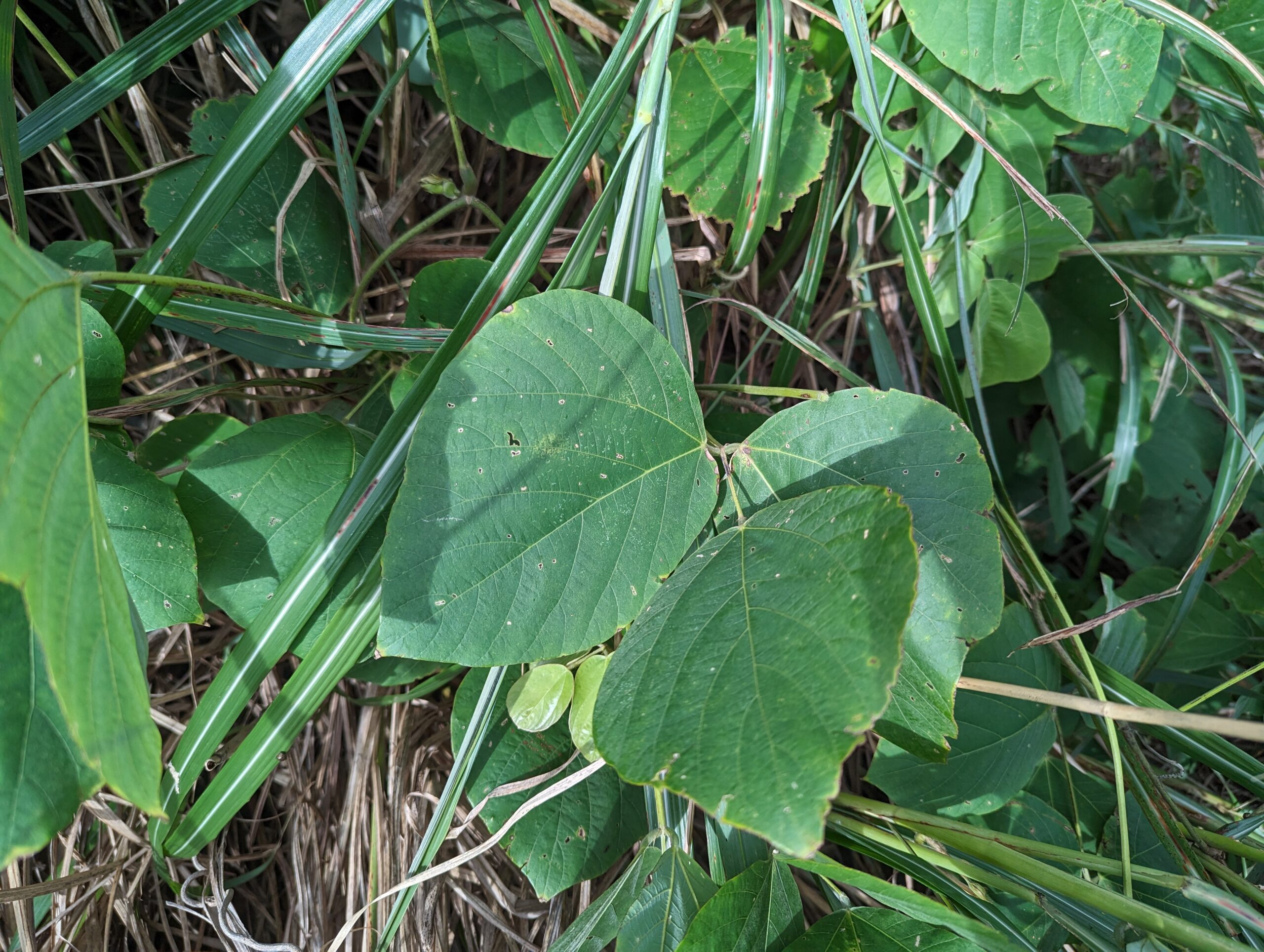
| ◎ | ◎ | ◎ | 〇 | ◎ |
The large leaves are very satisfying to eat! Both rabbits and tortoises love them. The vines are rope-like and tough, so pick just the leaves.
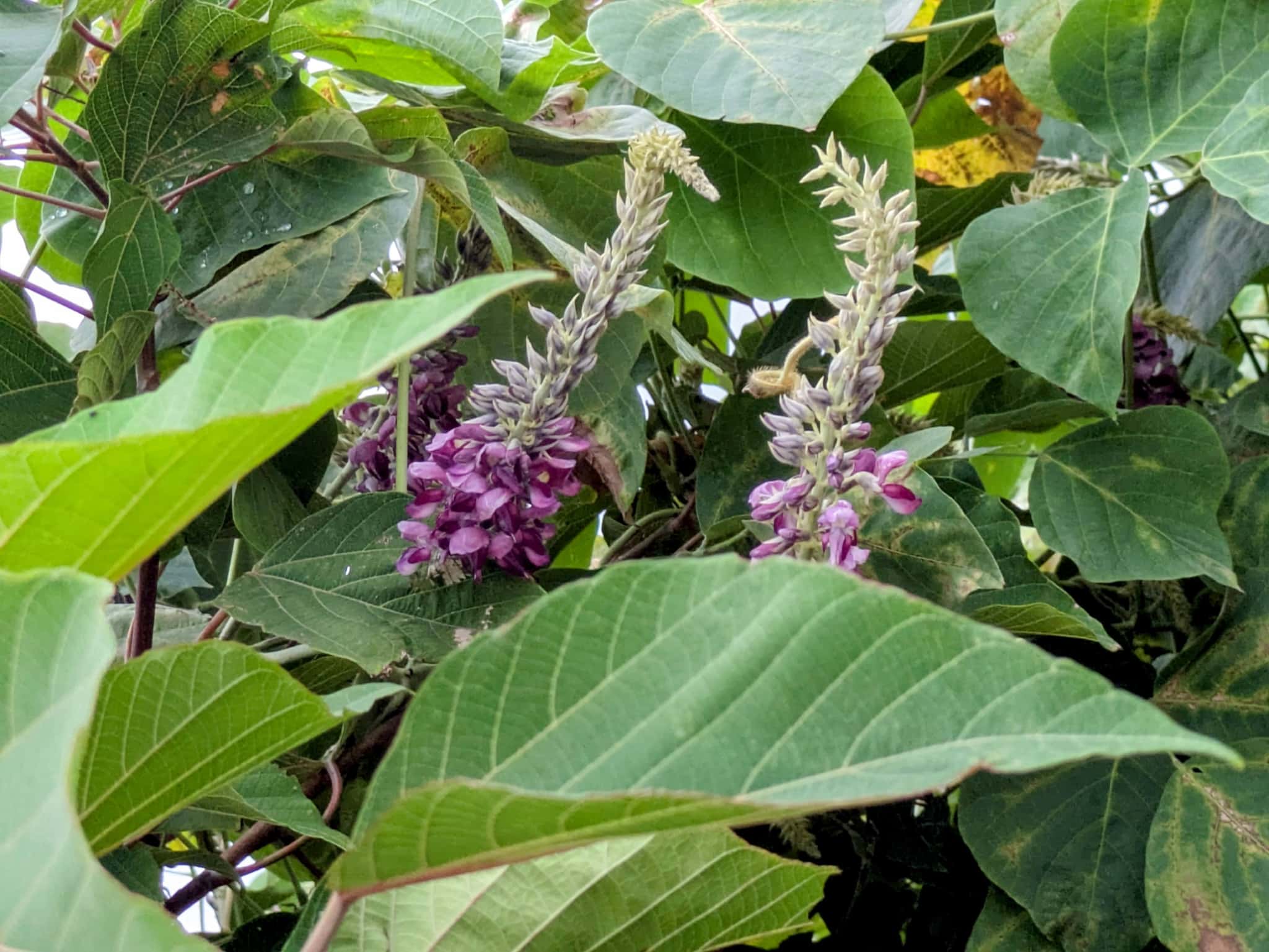
| ◎ | ◎ | 〇 | △ | 〇 |
Purple flowers that bloom in late summer. They smell like grape soda! A delicious treat, but shake them well as bugs often hide inside.

| ◎ | ◎ | 〇 | ◎ | 〇 |
Even the stems are easy to eat. Making a flower crown is cute, but since it’s a legume and can cause gas, give it as a treat.
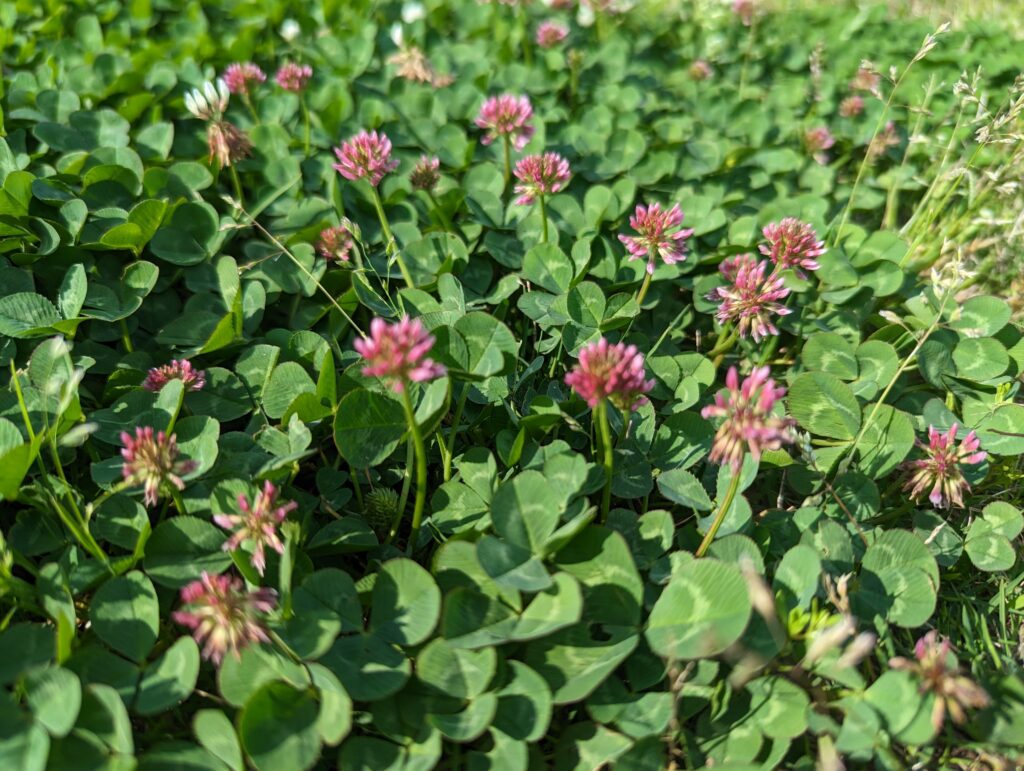
| ◎ | ◎ | 〇 | ◎ | 〇 |
The stems are firmer than white clover. The large flowers are satisfying to eat. Adds great color to their food bowl.
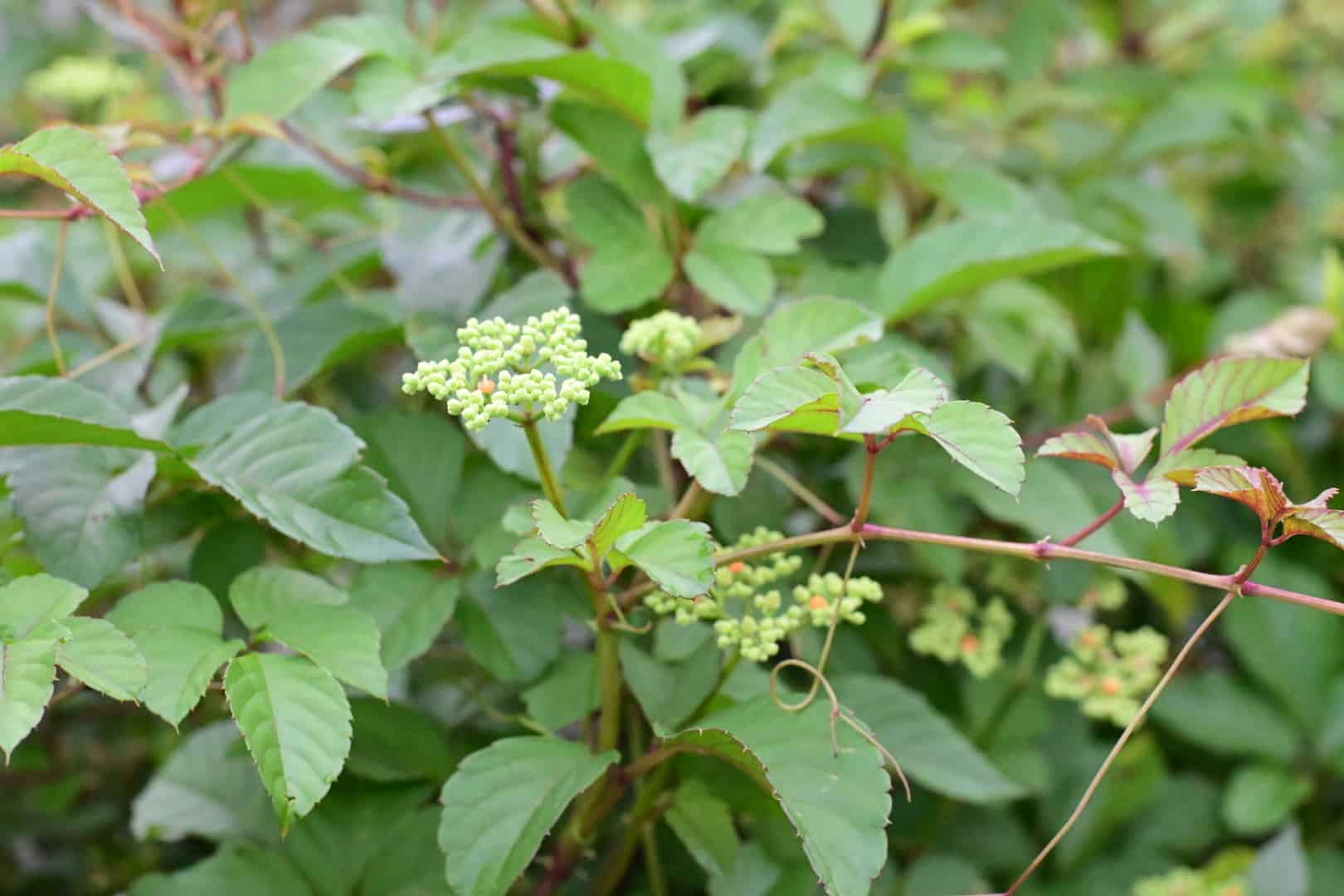
| 〇 | 〇 | ◎ | 〇 | 〇 |
If you have a tortoise, finding this is lucky!
It has an amazing nutritional balance (high calcium) and can be a main food source in summer. Humans consider it a pesky weed, so neighbors might be happy if you take it!
🌳 Treats: Trees & Berries
Ripe berries are sweet but high in sugar. Give only as a rare treat.
Also, ALWAYS cut them open to check inside!
Ants and bugs often hide inside the sweet fruit.
| ◎ | ◎ | ◎ | ◎ | ◎ |
Leaves are soft and highly nutritious. The branches are wood, so they can’t be eaten. Ripe black berries are sugar bombs, so limit them to a few times a month.
| 〇 | 〇 | ◎ | 〇 | ◎ |
Similar to mulberry, but the leaves have a rough texture, which many tortoises prefer. Of course, the branches are hard, so give only leaves.
| ◎ | ◎ | ◎ | ◎ | ◎ |
Leaves come in sets of three and are roundish. The stems have fine thorns, so be sure to pick only the leaves to avoid hurting your pet’s mouth.
| ◎ | ◎ | ◎ | ◎ | ◎ |
Leaves are shaped like maple leaves (“Momiji”). Stems have thorns, so be careful. Leaves are a great treat.
| ◎ | ◎ | ◎ | ◎ | ◎ |
Low-growing type with fewer thorns. The soft young leaves are easy to eat.
| ◎ | ◎ | ◎ | ◎ | ◎ |
Features long, narrow leaves. The leaves are a safe secondary food source.
| ◎ | ◎ | ◎ | ◎ | ◎ |
The thorns are very sharp, so wear leather gloves when picking! Leaves are nutritious, but absolutely ensure no thorny stems are mixed in.
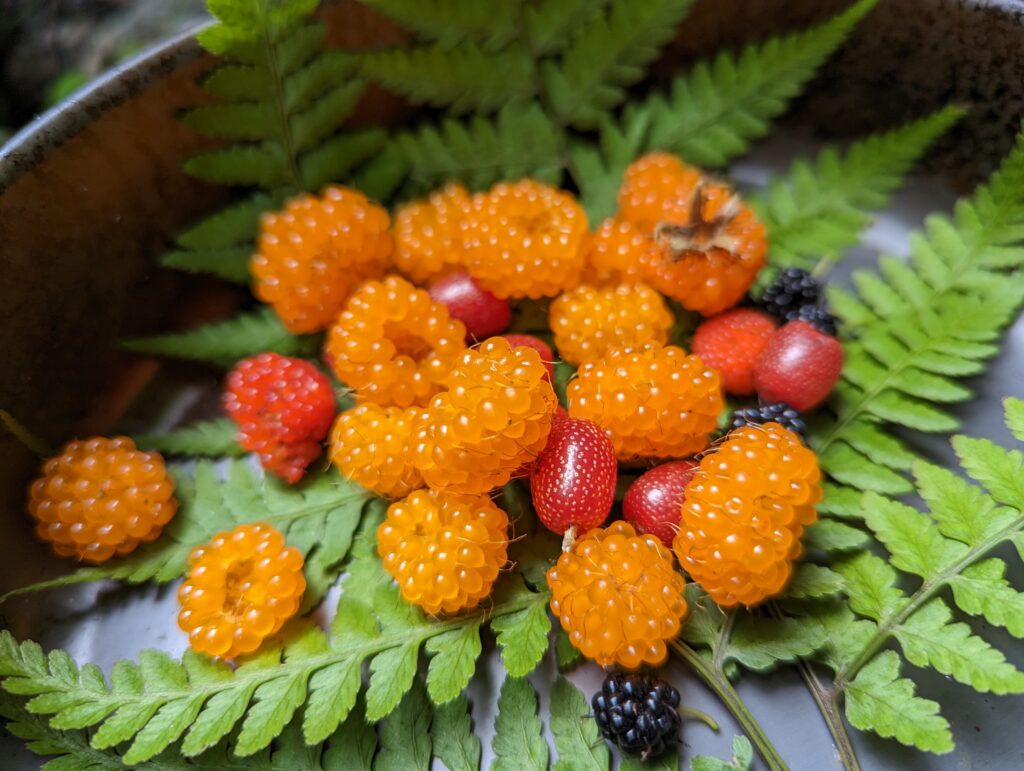
| ◎ | ◎ | ◎ | ◎ | ◎ |
Humans can eat them too, but always cut them open to check for bugs!
Think of this as “cake” for small animals. Only on special days.
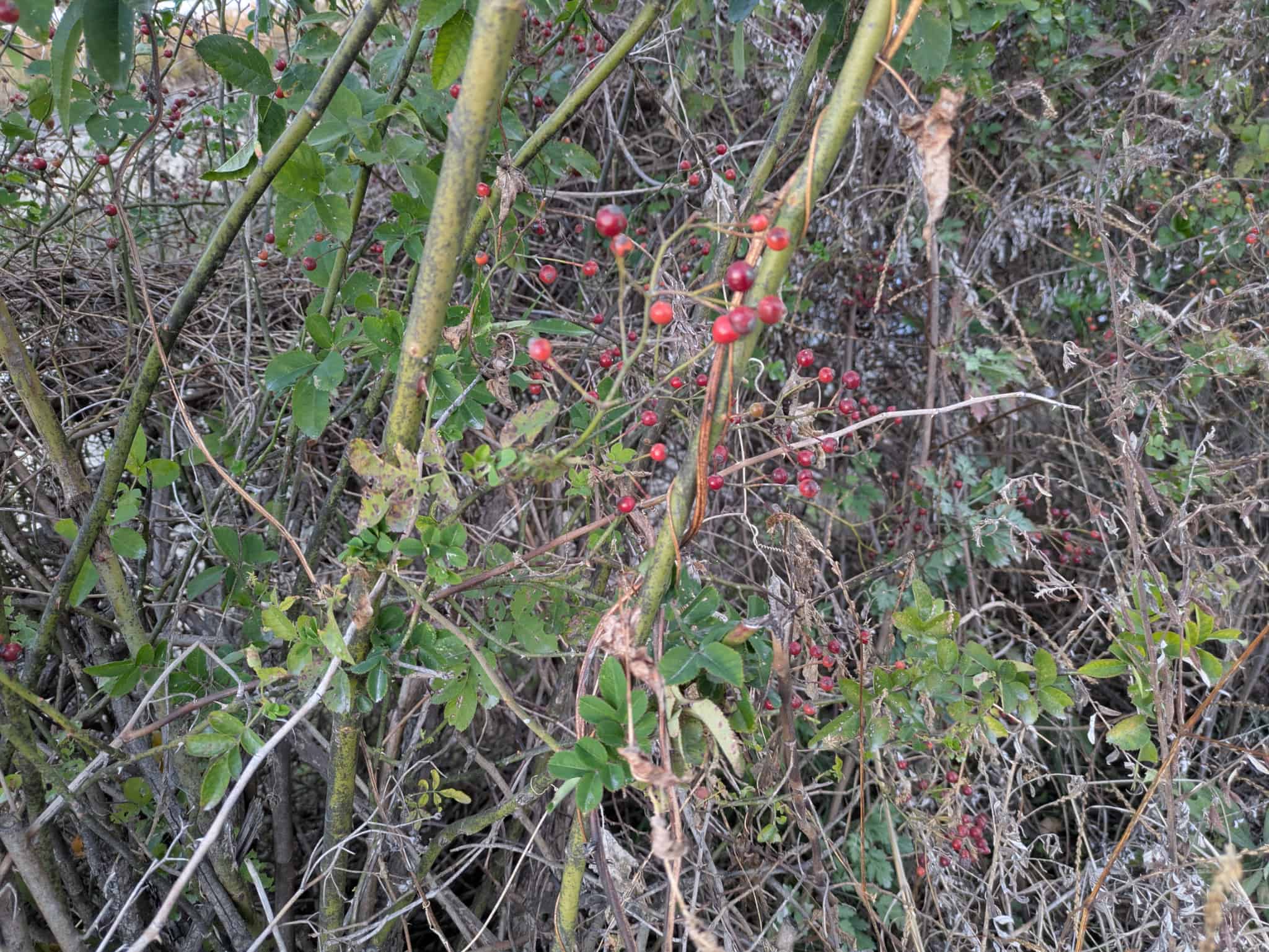
| ◎ | ◎ | △ | 〇 | △ |
A Vitamin C bomb! You can give it whole after washing, but the seeds are hard, so remove them if you’re concerned. Tortoises usually don’t eat them.
🌾 Staple Food for Rabbits & Guinea Pigs: Grasses
Most tortoises cannot digest grasses like the ones below. Generally, they do not eat them.
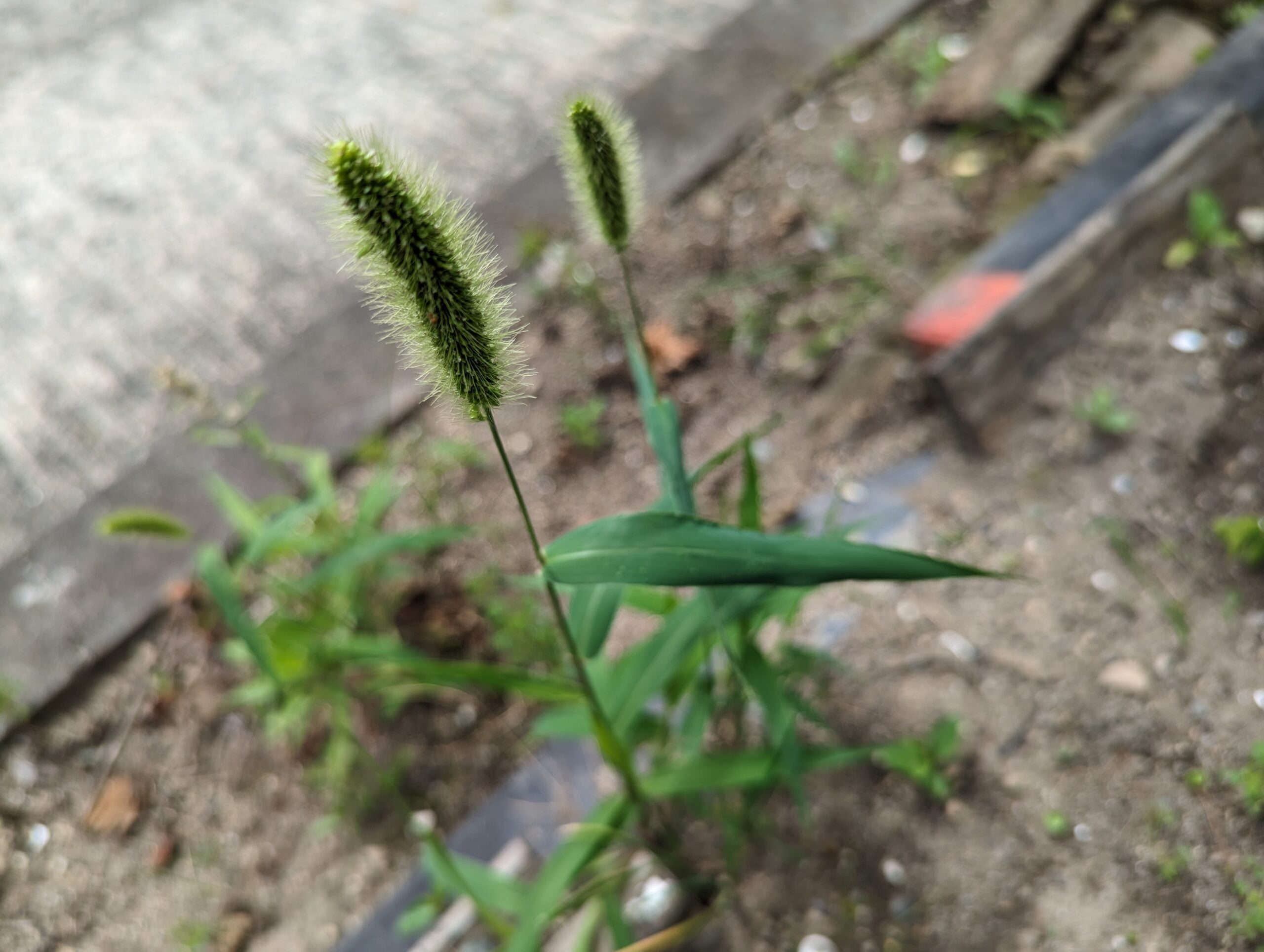
| ◎ | ◎ | △ | ◎ | △ |
A summer classic. The seed heads are nutritious and small animals go crazy for them. Also fun as a toy.
| ◎ | ◎ | △ | ◎ | △ |
The wild version of store-bought Orchard Grass hay. The best staple food for rabbits and guinea pigs. Often found by riverbanks.
| ◎ | ◎ | △ | ◎ | △ |
Common roadside grass with flat seed heads. Rabbits love it in spring when it’s soft. Good for making homemade hay.
| 〇 | ◎ | △ | △ | △ |
Very hard, but some rabbits and rodents enjoy chewing on it for dental health. Tortoises cannot digest it.
2. Make Your Own Dried Hay!
If you picked too much, don’t throw it away! Try drying it.
🌞 Easy 3 Steps
1. Wash & Wipe: Wash well and remove all moisture with a paper towel.
2. Dry: Spread out in a net and dry in the shade for 3-7 days.
3. Store: When it’s crispy, store in a sealed bag with a desiccant.
3. Where to Get?
Be careful of herbicides, car exhaust, and dog walking paths (urine). Do not pick if you are unsure.
If you don’t have safe nature nearby, I sell fresh wild plants on Mercari (Japan).
Selling seasonal wild plants like Vetch, Mugwort, and Rosehips!
(Available in Japan only)
Summary
Dry food is convenient, but giving fresh wild plants adds variety and joy to your pet’s life.
I hope you find your little family member’s favorite wild plant!